
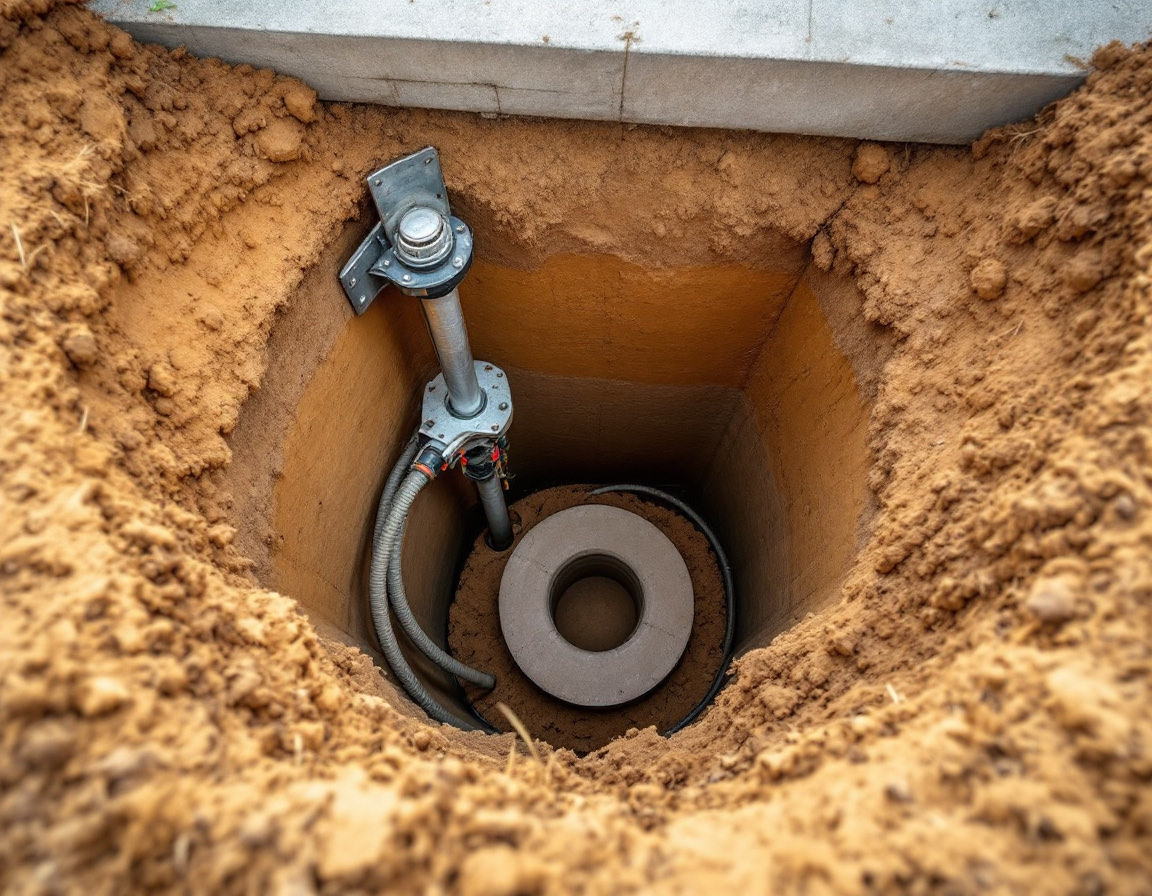
Slab foundation repair
Piers driven under a settling slab until it carries the house again
See how slab foundation repair works →
Sticking doors, stair-step cracks in the brick, a floor that slopes toward one corner. Tell us what you are seeing and get a free evaluation and a written price — no obligation, no pressure, no call center.
This is not a sales line, it is on file with the federal government. When the USDA needed a reference example of the Tobosa clay series — one of the shrink-swell Vertisols — it took the profile from Tom Green County, roughly ten miles northeast of San Angelo. The official description records cracks 0.3 to 1 inch wide reaching 20 to 60 inches down, open 210 or more cumulative days a year.
The Lipan series is the same story on the other side of town: its reference profile is 7.2 miles southeast of the San Angelo courthouse near Veribest, it runs 40 to 60 percent clay, and its cracks stay open more than 150 cumulative days a year. The Angelo series, named for this area and mapped across Tom Green and Irion Counties, carries 35 to 50 percent clay.
Add the rainfall pattern on top. San Angelo averages 20.94 inches a year, but the average hides the swing that actually does the damage: 35.72 inches in 2016 in the wettest year on record against 7.41 inches in 1956 in the driest. Clay that expands and contracts through a range like that lifts and drops whatever is sitting on it, and what is sitting on it is your slab.
Ground and climate facts on this page come from the USDA Natural Resources Conservation Service Official Soil Series Descriptions for the Tobosa, Lipan and Angelo series (all three mapped in Tom Green County) and from NOAA climate normals for San Angelo.

Most houses have a few harmless cracks. These are the ones worth acting on.
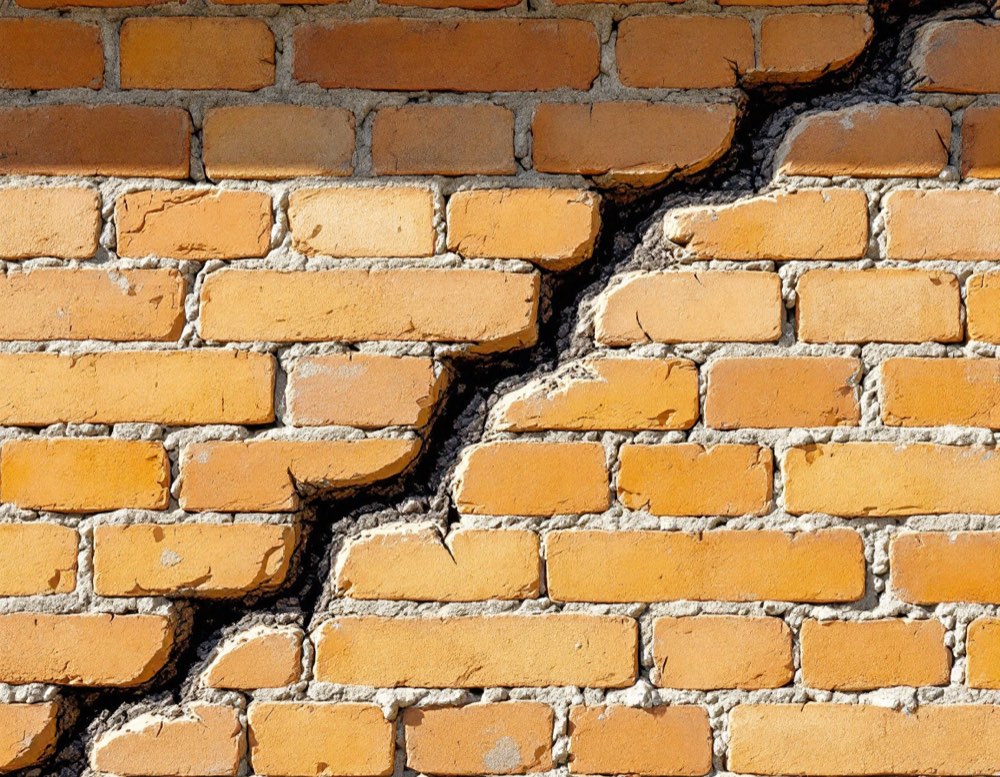
Mortar joints splitting diagonally up the wall in a staircase pattern. That is one side of the house sitting lower than the other, not a mortar problem.
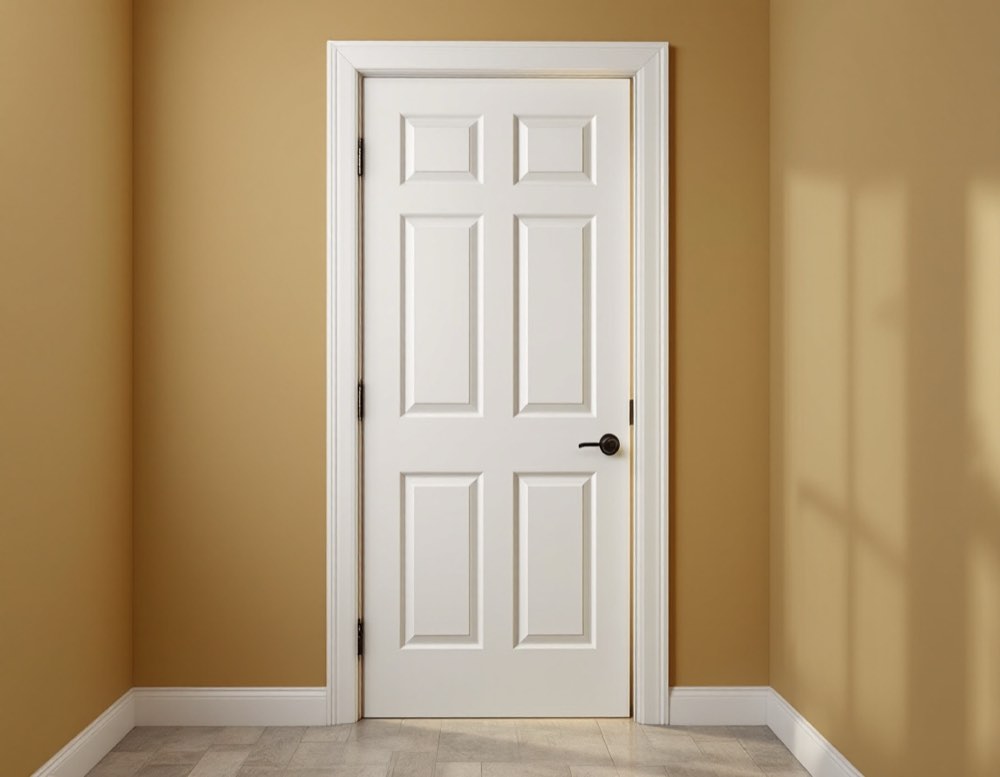
A door that closed fine last year and now catches at the top corner. The frame is out of square because the floor beneath it moved.
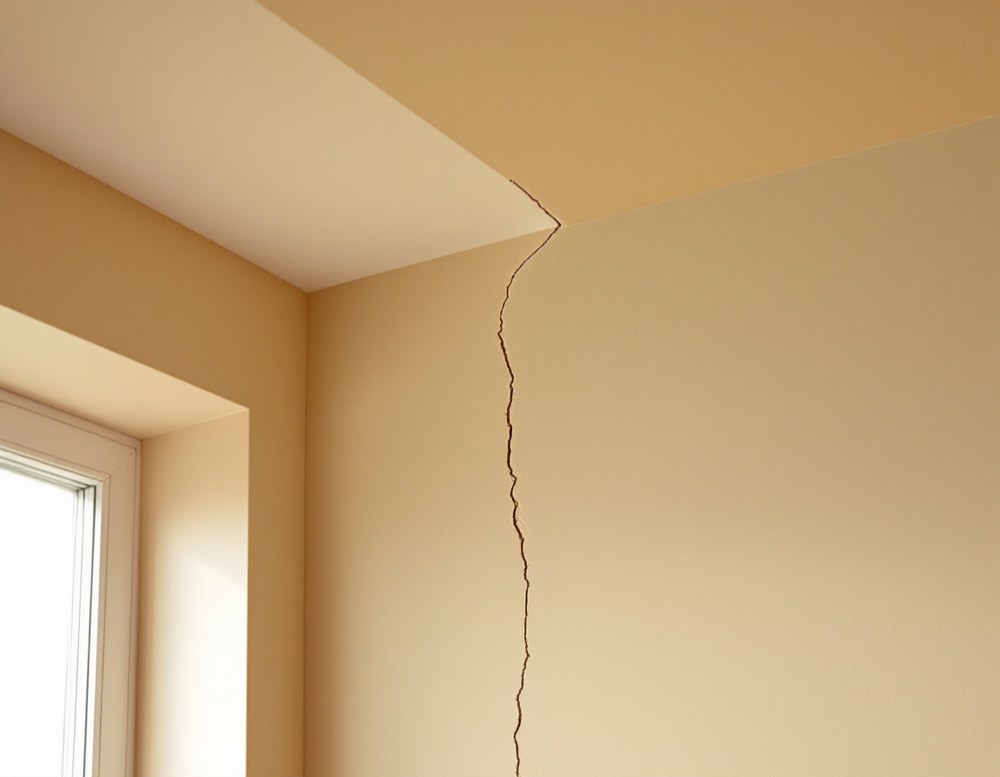
Cracks running at an angle away from the corner of a door or window opening. Openings are the weak point, so movement shows there first.

A ball that rolls to one side of the room on its own, or floors that flex when you walk across them. Common in pier and beam houses on the older side of town.
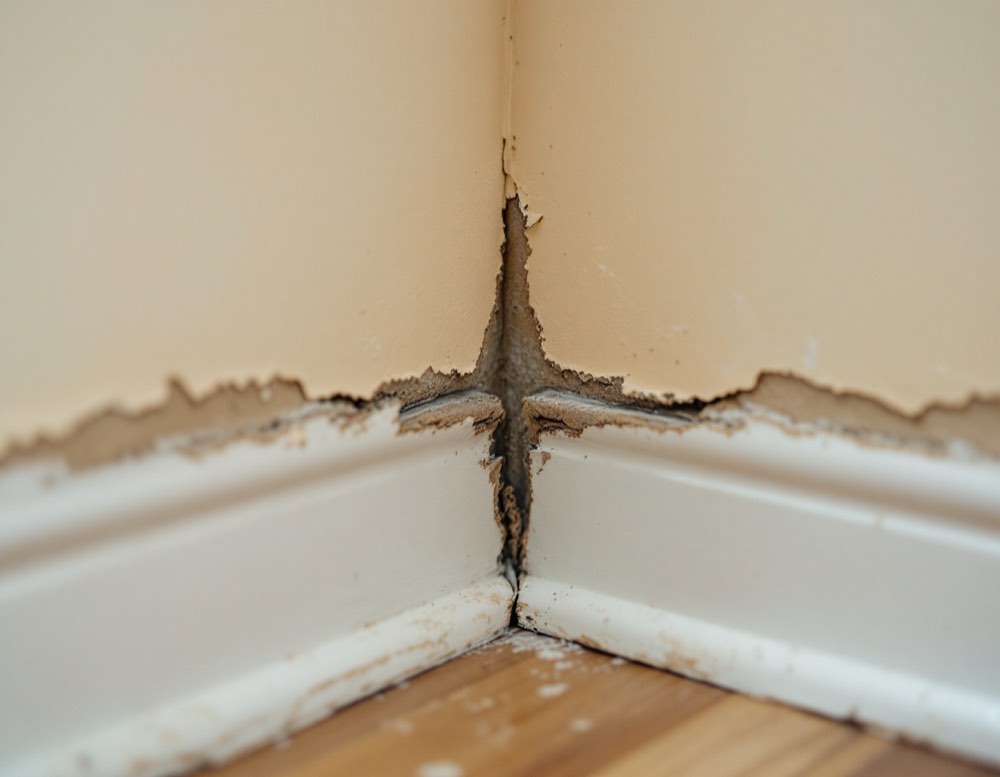
Baseboards pulling away from the wall, or a gap opening between the wall and the ceiling. The structure is being pulled in two directions.
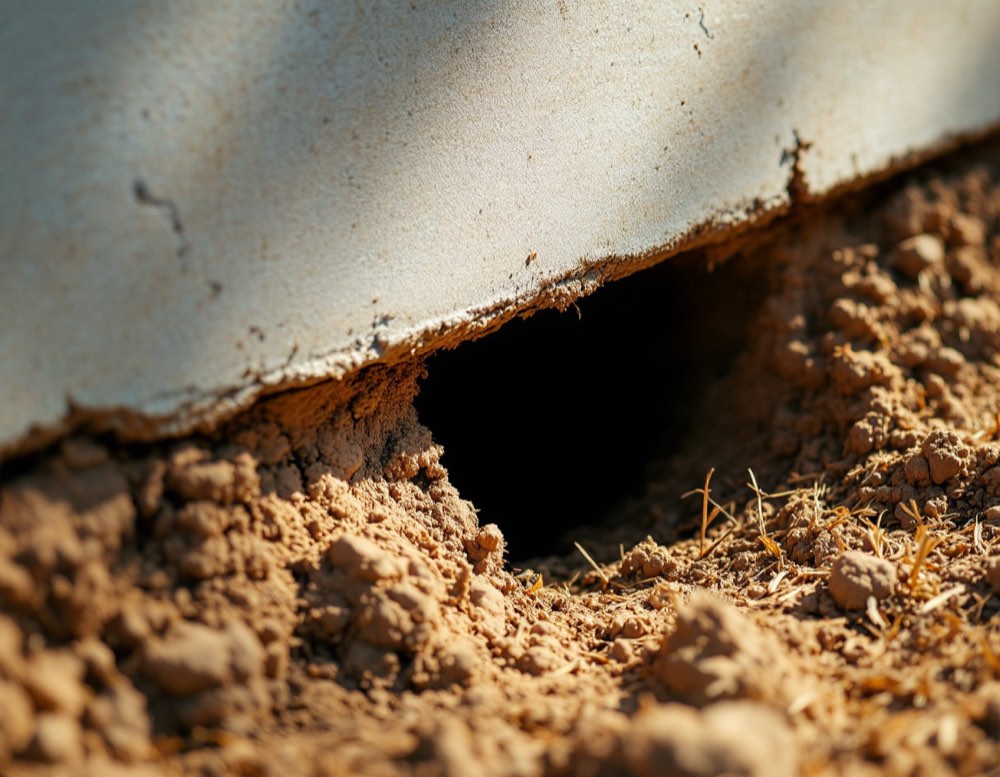
Visible separation between the soil and the slab around the outside of the house, usually worst in late summer when the clay has shrunk away.
Seeing two or more of these together is the point at which it is worth getting measured. One on its own is often nothing — and the free evaluation will tell you that plainly rather than selling you piers.
Fill in the short form. Which signs, roughly where, and how long they have been getting worse. Two minutes.
A local foundation specialist calls you back and arranges the free visit — measuring the floor, walking the outside, and working out whether the ground or the drainage is driving it.
What needs doing, why, and what it costs — written down, itemized, and yours to keep. No obligation to go ahead.
Every job starts with the same free evaluation and the same written price. Pick what sounds closest to your situation.
Piers driven under a settling slab until it carries the house again
See how slab foundation repair works →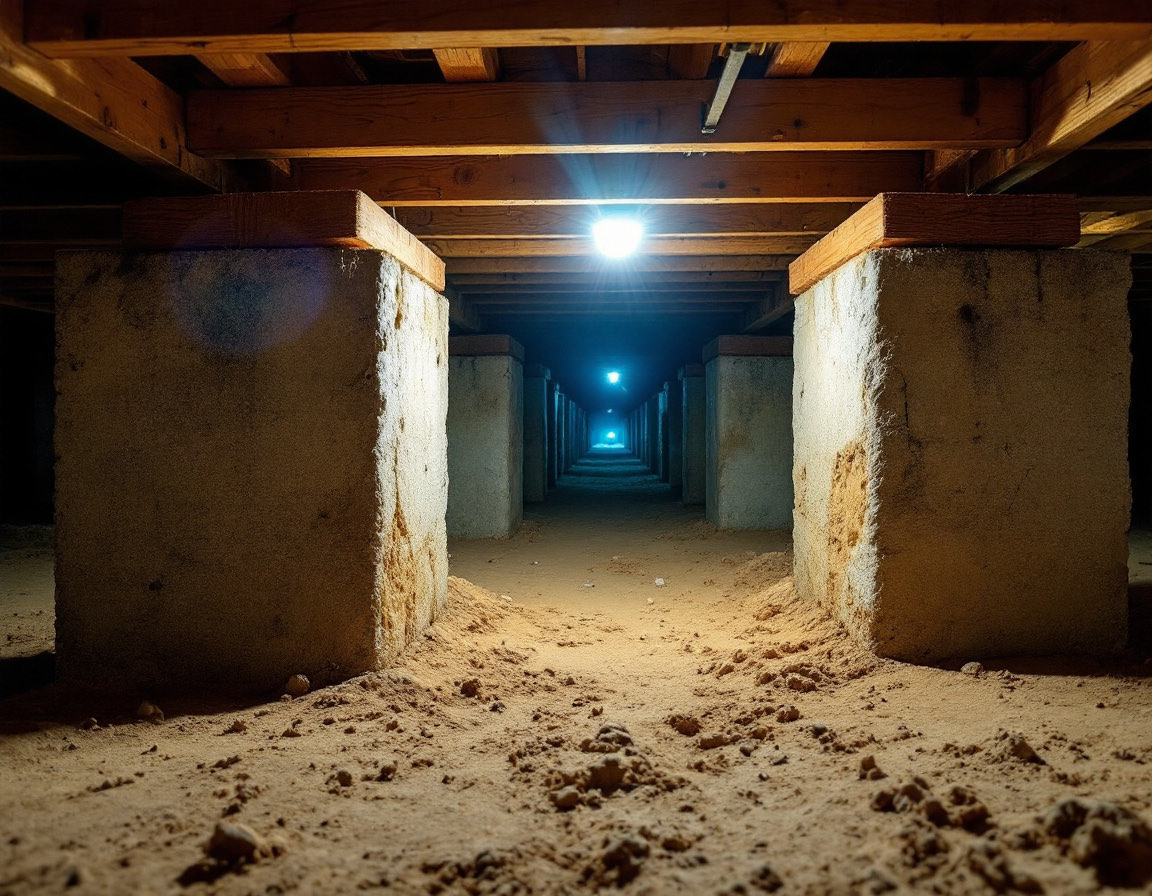
Sunken piers, sagging beams and floors that bounce when you walk
See how pier and beam repair works →
The whole structure brought back within tolerance, measured not eyeballed
See how house leveling works →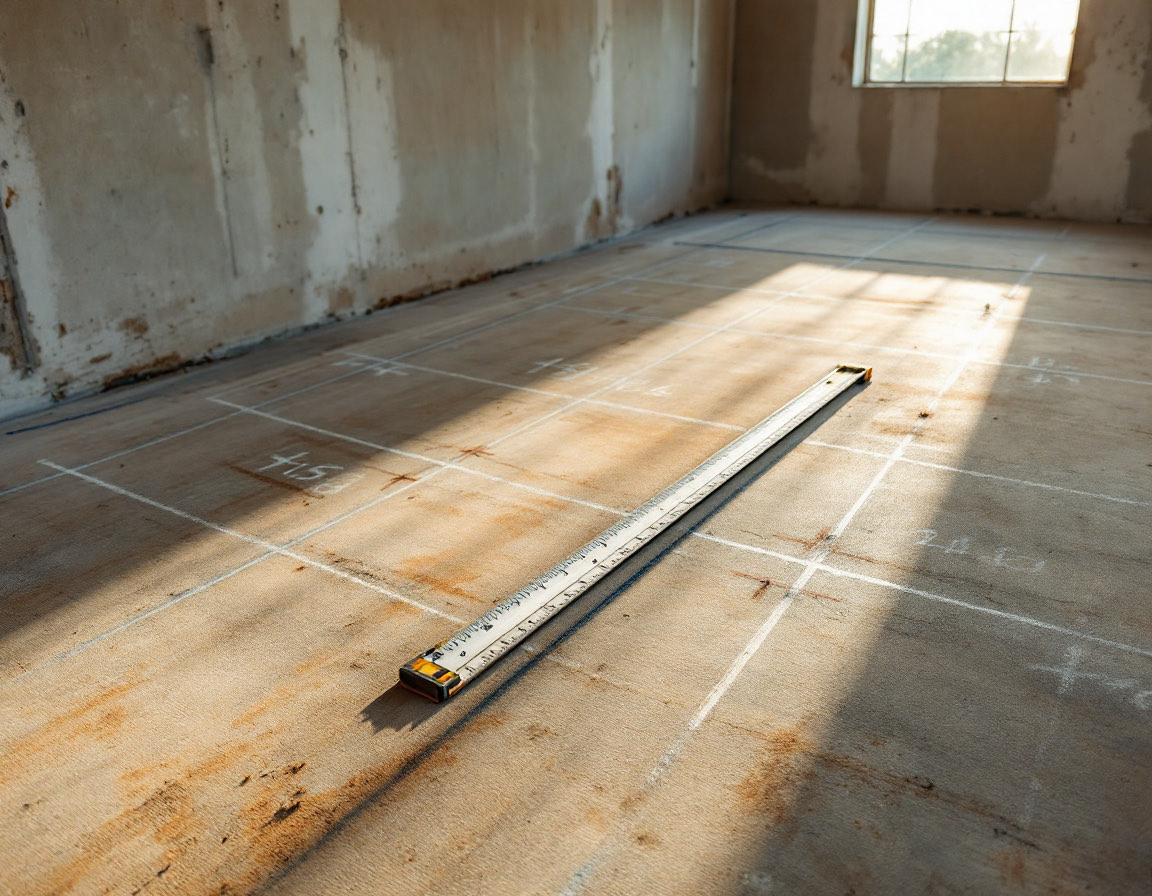
Measured floor elevations and a written report before anyone sells you piers
See how foundation evaluation works →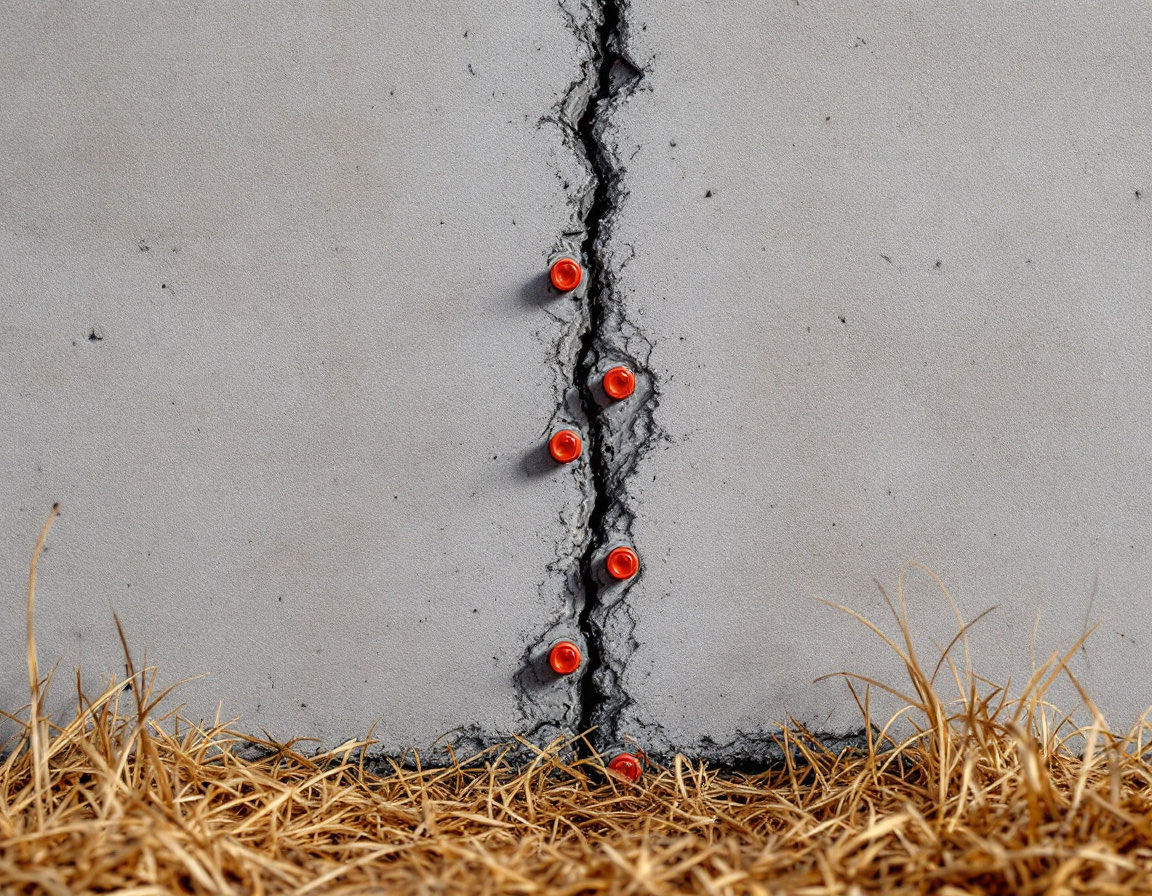
Slab, brick and drywall cracks closed after the movement is stopped
See how crack repair works →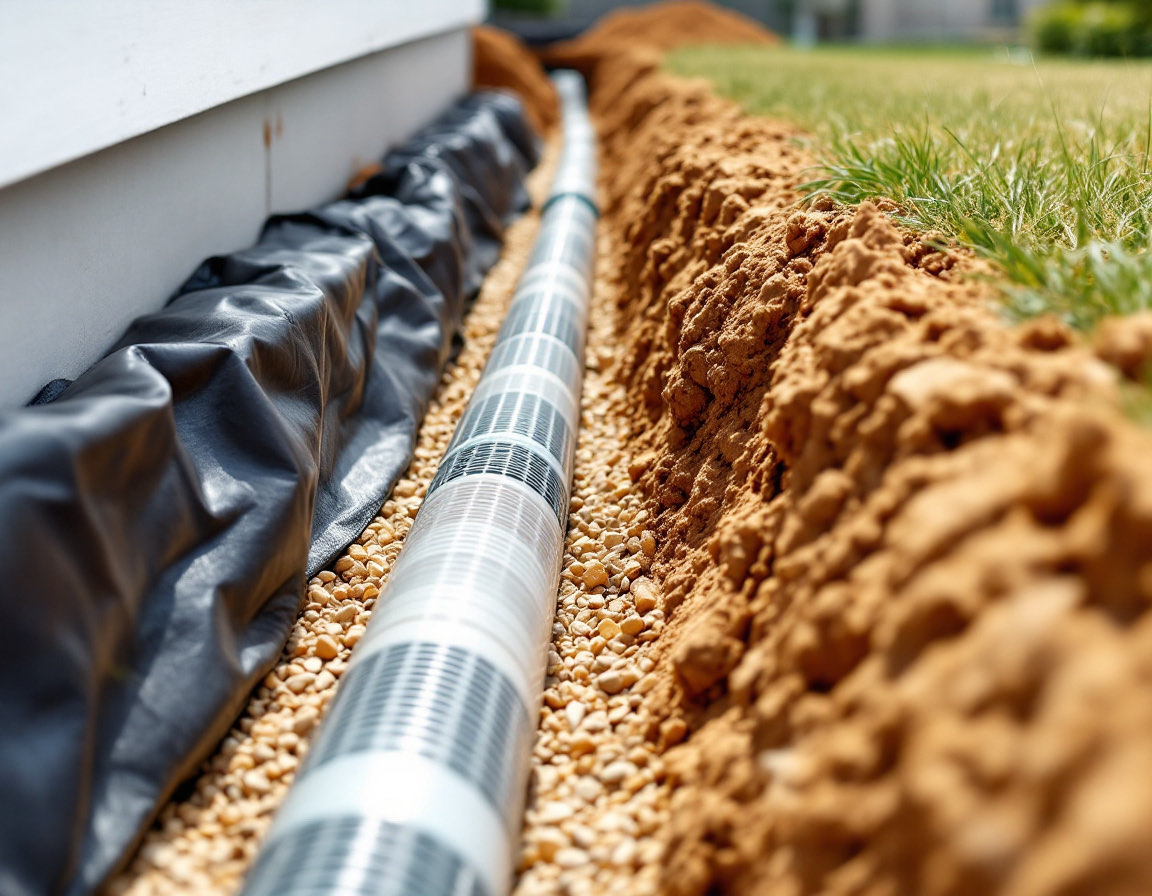
Getting rainwater away from the slab so the clay stops swinging
See how drainage and grading works →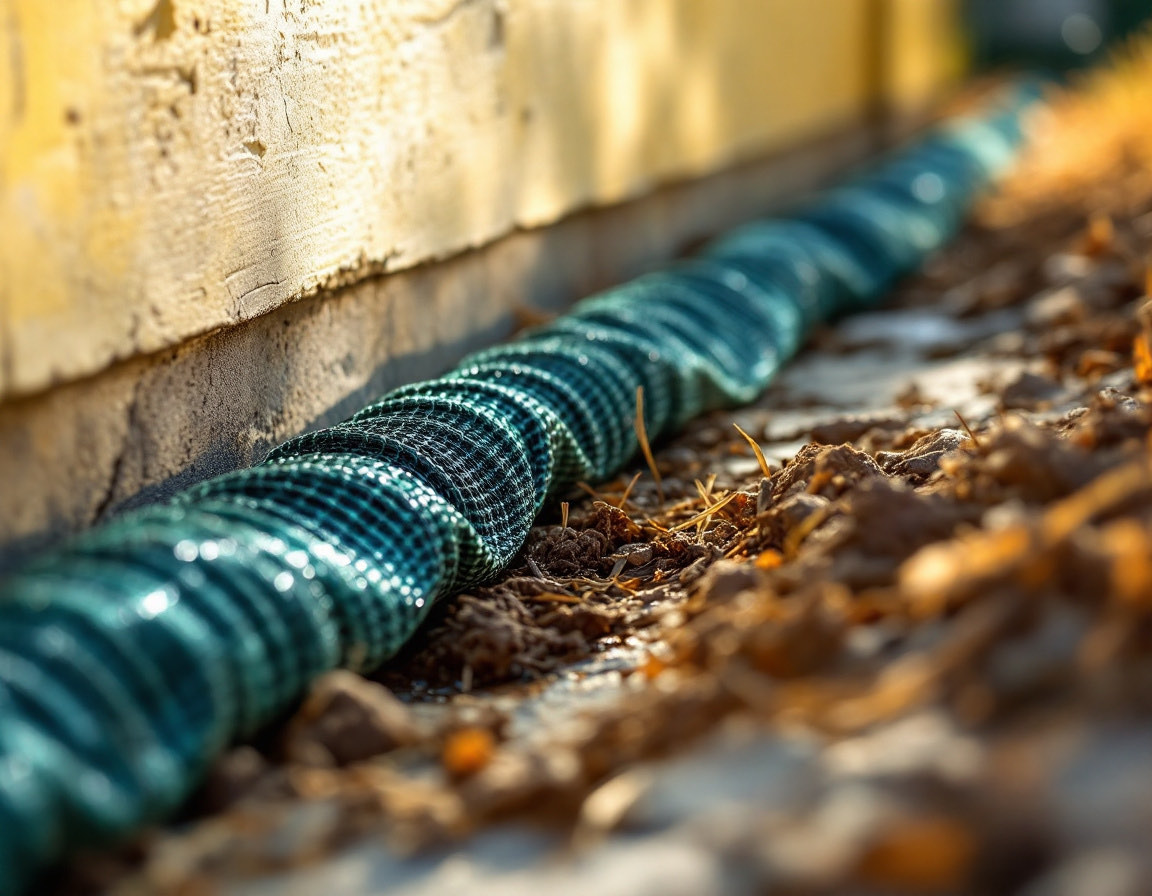
Soaker lines that hold soil moisture steady through a Concho Valley summer
See how foundation watering systems works →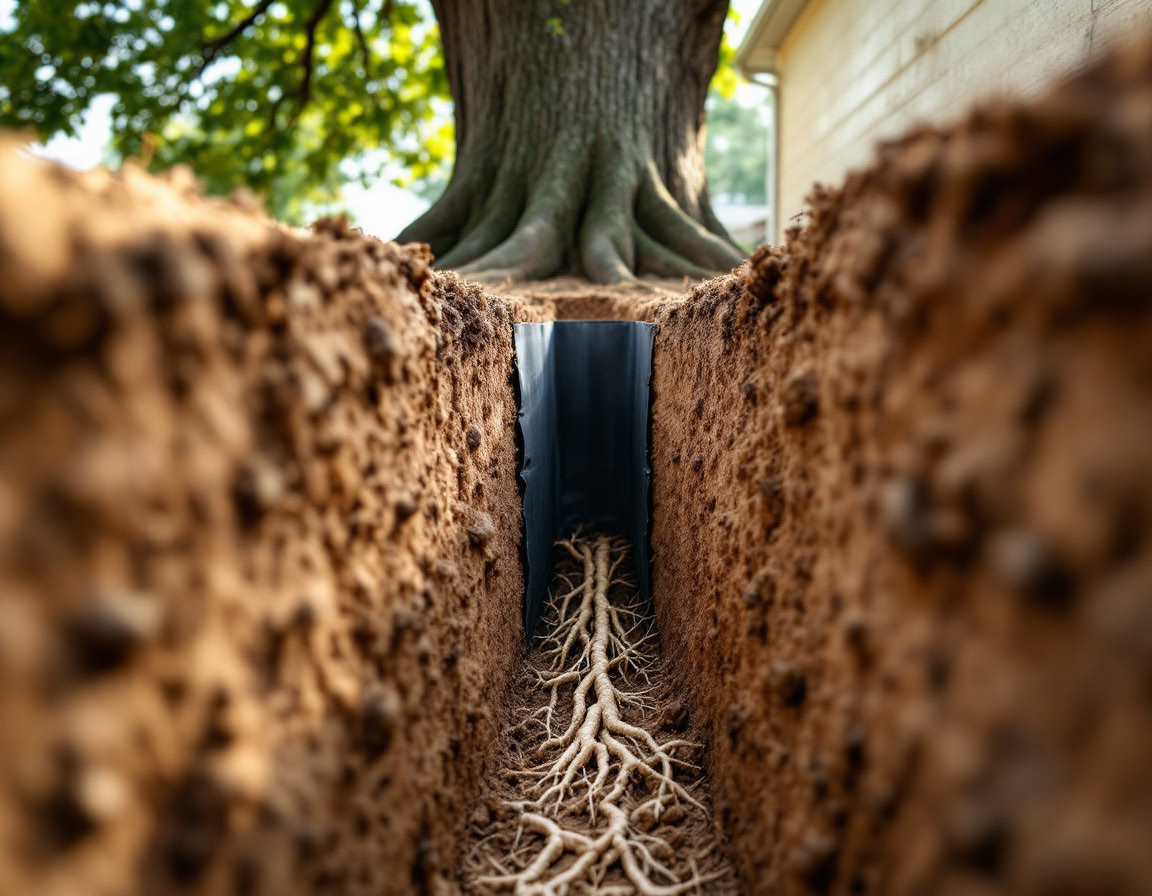
Stopping a big tree drinking the water out from under your slab
See how root barriers works →There is no state foundation repair license in Texas. None. So when a company tells you it is licensed, there is no license of that kind to check, and the word is doing no work at all.
We would rather tell you that than let you assume otherwise, because it changes what you should be asking for. Four things are checkable, and any contractor worth hiring hands them over without hesitating:
Ask us the same four questions. That is the point of writing them down.

An engineer's evaluation comes in three defined depths. Knowing which one you are being sold is how you tell what a quote is actually based on.
Interviews, document review, visual observation, and a written report. No instruments on the floor.
Everything in Level A, plus measured floor elevations, a scaled drawing, and deflection and tilt checked against tolerances.
Everything in Level B, plus soil sampling and testing, plumbing testing, and a detailed distress survey.
The three levels are defined in the Texas Section ASCE Guidelines for the Evaluation and Repair of Residential Foundations, Version 3, adopted March 2022.
That is exactly what the free evaluation is for. Get it measured before you decide anything.
Tell us what the house is doing. A local foundation specialist calls you back, looks at it for free, and puts the price in writing. Nothing is owed either way.